

Diesel Power Generator Benefits: Efficiency & Reliability
Advantages of Diesel Power Generators Explained
In today’s hyper-connected, fast-paced world, an uninterrupted electricity supply is no longer a luxury—it is an absolute necessity. Whether you are running a sprawling manufacturing facility, managing a busy data center, or keeping essential appliances running during a severe storm, experiencing a power outage can lead to massive financial losses and safety hazards. This is exactly where modern diesel power solutions step in to save the day.
Renowned for their rugged durability, longevity, and impressive energy output, Diesel generators remain the gold standard for backup and continuous electricity. Let’s dive deep into the numerous advantages of diesel power, explore the mechanics behind these heavy-duty machines, and examine what you need to know to choose, install, and maintain the perfect generator for your needs.

The Basics: How Do Diesel Generators Work?
Before exploring their myriad benefits, it is helpful to understand the underlying mechanics. If you have ever wondered, how do diesel generators work, the process is both fascinating and highly efficient.
At its core, a diesel generator converts chemical energy stored in diesel fuel into electrical energy. This happens through the synergy of two primary components: a diesel engine and an alternator. The engine uses compression ignition to burn fuel. Unlike gasoline engines that use spark plugs, diesel engines compress air to a very high pressure, which heats the air. When fuel is injected into this superheated air, it ignites instantly.
This combustion drives a piston, creating mechanical energy. The alternator then steps in, using the principles of electromagnetic induction to convert this mechanical energy into the steady electrical current that eventually powers your facility or home.
Unpacking the Advantages of Diesel Power Solutions
Unmatched Fuel Efficiency and Energy Density
Diesel fuel contains a higher energy density than gasoline or natural gas. This means that a generator burns less fuel to produce the exact same amount of power. Because of this high energy yield, fuel efficient standby generators running on diesel are incredibly cost-effective over long periods, making them an excellent investment for businesses and homeowners alike.
Superior Durability and Longevity
Because diesel engines do not rely on spark plugs and wires, they have fewer components that require frequent replacement. Furthermore, they are built to withstand the immense stress of high-compression ignition. With proper maintenance, a heavy-duty generator can easily outlast alternative power sources by thousands of hours of operation.
Reliable Power for the Toughest Environments
When the electrical grid fails, or when there is no grid to begin with, diesel units are unmatched. They are the premier choice for providing emergency electricity for remote locations, such as rural medical clinics or distant agricultural hubs. Furthermore, providing off-grid electricity for industrial sites—like deep-woods logging camps or remote mining operations—is heavily reliant on diesel tech due to its ability to handle continuous, heavy loads without faltering.

Comparing the Contenders: Diesel vs Natural Gas Generators
When facility managers evaluate industrial backup power requirements, they often find themselves comparing diesel vs natural gas generators. While both have their merits, diesel frequently takes the lead in commercial and heavy industrial settings for several reasons:
Fuel Storage: Diesel fuel can be safely stored on-site in large tanks, ensuring power availability even if municipal natural gas lines are disrupted during an earthquake or severe freeze.
Load Response: Diesel generators typically handle sudden, large power spikes—such as starting up heavy HVAC systems or industrial motors—much better than their natural gas counterparts.
Availability: In remote areas where underground gas pipelines do not exist, diesel is easily transported and stored.
Understanding Sizing, Ratings, and Capacities
Choosing the right generator requires a basic understanding of your unique energy needs. Sizing a generator for commercial use is a critical step; an undersized generator will overload and fail, while an oversized one can suffer from "wet stacking" (unburned fuel buildup) and will waste capital.
Navigating Power Ratings
When looking at specifications, you will often see terms defining the unit's operational limits. It is vital to understand prime vs standby power ratings:
Prime Power: This rating indicates that the generator can act as the primary source of electricity continuously (24/7) for variable loads. It is typically used in off-grid situations.
Standby Power: This rating is the maximum power available for a limited time during a utility outage. Standby generators are strictly for emergency backup, not continuous everyday use.
Choosing the Right Model for Your Needs
Generators come in a vast array of sizes. For small-scale applications, such as a remote cabin or supporting a few critical circuits in a small retail shop, a 5kva diesel generator provides an excellent balance of affordability and reliability.
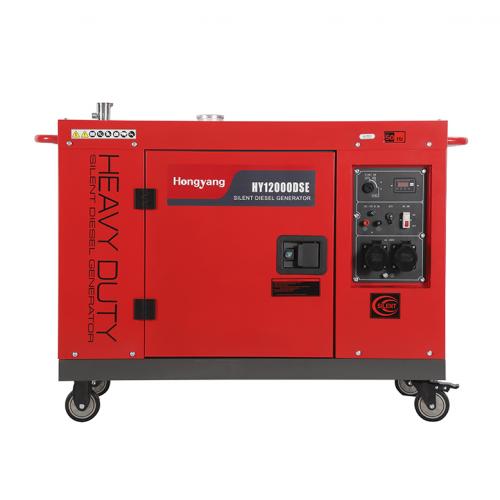
If you need a bit more power for residential backup or small contracting jobs, models like the kde 6500 e diesel generator are highly popular for their portability and ease of use. On the slightly larger end of the compact spectrum, the kde12sta diesel generator offers robust, single-phase or three-phase power suited for medium-sized workshops and essential home backup systems, wrapping powerful engines in sound-attenuated canopies.
For massive industrial operations, you will look toward multi-megawatt systems designed to back up entire manufacturing plants or hospitals.
Key Technical Integrations for Modern Power
To get the most out of your backup power system, the engine itself is just one piece of the puzzle. Several integrated technologies ensure that your system runs safely, smoothly, and automatically.
Advanced Cooling Systems
During operation, engines generate an immense amount of heat. A high-quality diesel generator cooling system is critical to prevent overheating, which can cause catastrophic engine failure. Smaller units may be air-cooled, but larger commercial generators utilize liquid cooling systems involving heavy-duty radiators, coolants, and water pumps to maintain optimal operating temperatures even during intense summer heatwaves.
Seamless Power Transitions
When the grid goes down, you don’t want to be fumbling around in the dark trying to manually start a generator. Automatic transfer switch integration (ATS) solves this problem. The ATS constantly monitors the utility grid; the moment it detects a drop in voltage, it signals the generator to start and automatically shifts your building's electrical load to the backup power. Once the grid stabilizes, the ATS switches back and shuts the generator down safely.

Smart Technology and Fleet Management
Today’s units are smarter than ever. With the integration of remote monitoring for backup systems, facility managers can track fuel levels, engine temperature, battery status, and voltage output straight from a smartphone or desktop dashboard. This allows for proactive troubleshooting, preventing unexpected failures during an actual emergency.
Innovations: Greener, Quieter, and More Versatile
Historically, diesel engines had a reputation for being loud and producing heavy exhaust. However, rapid technological advancements have completely transformed the landscape.
Eco-Friendly Operations: Thanks to stringent environmental regulations, modern diesel generators are incredibly clean. Units complying with Tier 4 final emission standards utilize advanced exhaust after-treatment systems (like Diesel Particulate Filters and Selective Catalytic Reduction) to drastically reduce nitrogen oxides (NOx) and particulate matter.
Acoustic Improvements: Manufacturers have made massive strides in reducing
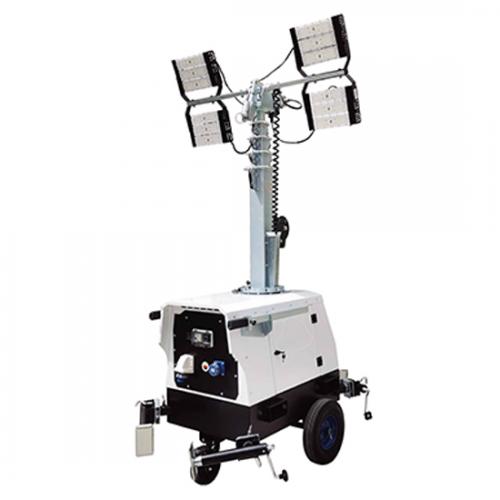
diesel engine noise levels. By utilizing vibration isolators, specialized acoustic foam lining, and aerodynamically designed exhaust mufflers, today’s enclosed generators can operate quietly enough to comply with strict urban noise ordinances.Portability: For industries that are constantly on the move, such as event management or highway construction, mobile power generation units mounted on heavy-duty trailers provide instant, plug-and-play power anywhere it is needed.
Installation and Maintenance: Protecting Your Investment
Even the most advanced generator requires proper setup and ongoing care to function flawlessly.
Best Practices for Installation
Following a proper commercial backup power installation guide is imperative. Key considerations include:
Location: Install the generator outdoors on a level, reinforced concrete pad.
Clearance and Airflow: Ensure there is ample space around the unit for the cooling system to draw in fresh air and expel hot exhaust safely away from building windows and doors.
Compliance: Always hire certified electricians and adhere to local building codes, fire regulations, and zoning laws.
Keeping Your System Ready
The worst time to find out your generator needs repairs is during a blackout. Adhering to a strict diesel generator maintenance checklist will guarantee your unit is always ready to perform.
Weekly/Monthly Checklist:
Check fuel and coolant levels.
Inspect the unit for any visible oil or water leaks.
Check battery terminals for corrosion and ensure the battery charger is functioning.
Run the generator without a load for 10-15 minutes to ensure it starts smoothly.
Bi-Annual/Annual Checklist:
Change the engine oil and replace the oil filter.
Replace fuel filters and air filters.
Inspect and tighten all electrical connections.
Test the Automatic Transfer Switch (ATS) to simulate a power outage.
Have a certified technician perform a load bank test to verify the generator can handle its maximum rated capacity without overheating.

